
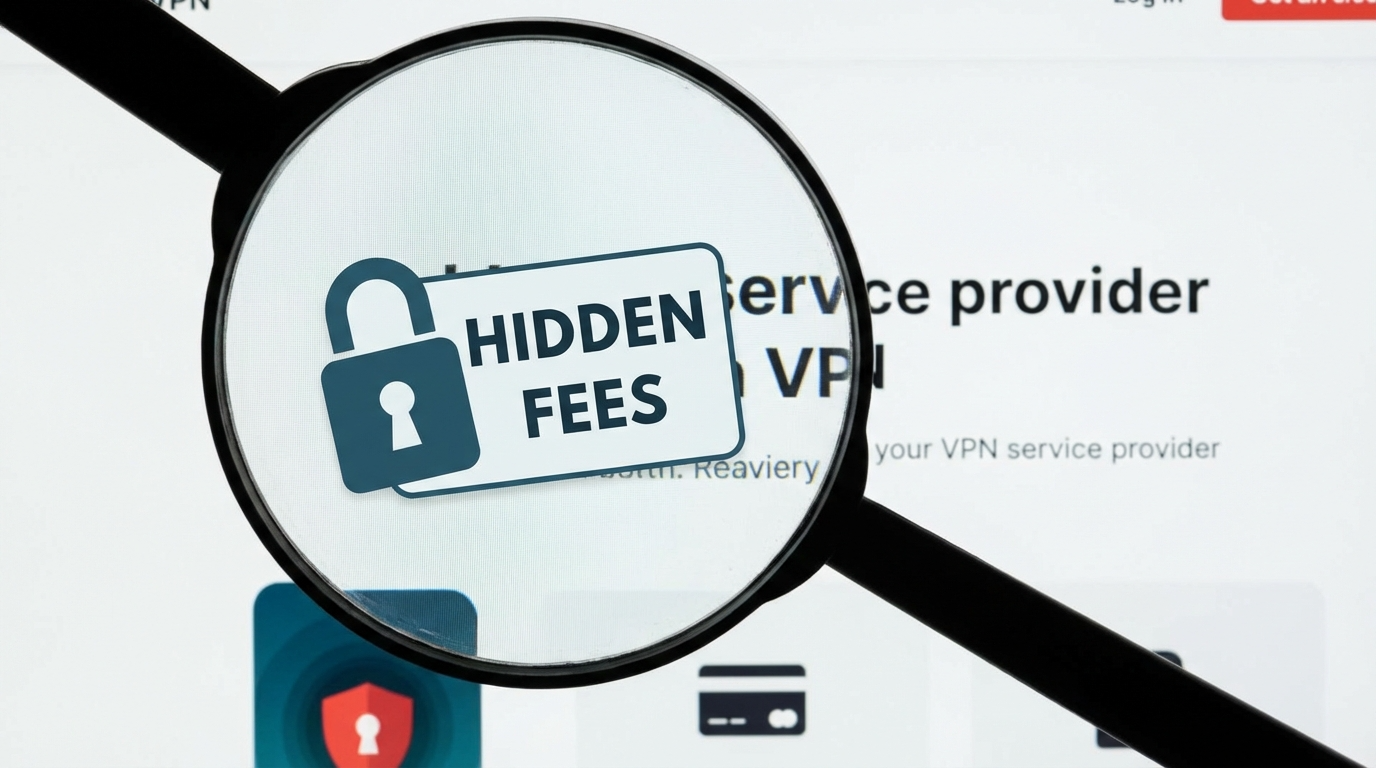
When you sign up for a VPN, you expect privacy, security, and freedom online—not surprise charges on your bill. Yet many VPN providers quietly include hidden costs that most users overlook until it’s too late. Learning how to avoid VPN hidden fees isn’t just about saving a few dollars—it’s about understanding what you’re really paying for and how to protect yourself from sneaky marketing tactics.
Let’s unpack how these fees appear, what warning signs to look for, and the steps you can take to make sure your VPN investment stays clean, clear, and cost-effective.
Why VPN Hidden Fees Exist
It’s no secret that competition among VPN companies is fierce. With hundreds of services fighting for attention, many resort to marketing tricks to make their pricing look more attractive than it really is. These hidden fees can come in many forms—renewal spikes, add-on charges, or unexpected data costs.
Some providers intentionally bury the details deep in their terms and conditions, assuming most people won’t read them. Others rely on trial periods or discounts that seem generous upfront but switch to premium prices later. In both cases, it’s the customer who pays the price.
Common Types of VPN Hidden Fees
Before you subscribe to any VPN, it’s crucial to understand where these extra costs might hide. Here are the most common culprits:
1. Auto-Renewal Price Jumps
Many VPNs advertise a great deal for the first billing cycle—say $2.99 per month. But once your plan renews, that price can double or triple without warning. The fine print usually states this, but it’s often buried where few users look.
To avoid VPN hidden fees, always check the renewal rate before subscribing. Look for clear pricing that doesn’t drastically change after the initial term.
2. Add-On Features
Some VPN providers lure you in with a basic plan, then charge extra for essentials like ad blockers, malware protection, or multi-device connections. What seems like a full package can quickly turn into a premium-tier upsell.
To protect your wallet, verify exactly what’s included in your subscription. If the company offers too many “optional add-ons,” it’s a sign you might pay more than expected.
3. Currency Conversion and Regional Fees
Certain VPNs charge users in foreign currencies, leading to exchange rate fluctuations and conversion fees. Depending on your location and payment method, you might end up paying 5–10% more than the listed price.
Avoid this by selecting a provider that lists prices in your local currency or one that uses a transparent payment processor like PayPal or Stripe.
4. Trial Expiration Costs
Free trials can be convenient, but they often turn into paid plans automatically. Some providers require you to input payment details upfront, then charge you the moment the trial ends—even if you never used the service again.
Set a reminder to cancel before the trial expires, or use a disposable payment method if you’re just testing the VPN.
5. Bandwidth or Speed Limit Fees
While most premium VPNs offer unlimited bandwidth, some cheaper ones throttle your connection or limit data usage. Then, they charge extra for “premium” speeds or additional data.
Always confirm whether your plan includes unlimited bandwidth. If it doesn’t, consider it a red flag.
How to Spot Hidden Fees Before Subscribing
The best way to avoid VPN hidden fees is by learning how to detect them early. Here’s a simple checklist to help you identify red flags before hitting “subscribe.”
1. Read the Pricing Page Carefully
Don’t just look at the bold numbers or flashy discounts. Scroll down and read the small print. Compare the monthly, annual, and renewal rates side by side. If the price looks too good to be true, it probably is.
2. Check the Refund Policy
A legitimate VPN provider will offer a clear, risk-free money-back guarantee—usually 30 days or more. If the refund policy is vague, restrictive, or full of exceptions, that’s a warning sign. You could lose your money if you’re unsatisfied.
3. Avoid Free VPNs
Free VPNs might not charge you upfront, but you’ll pay in other ways—like slower speeds, intrusive ads, or even data selling. These services often hide their “fees” behind your personal information.
Stick to reputable paid VPNs with transparent pricing and strong privacy policies.
4. Review the Terms and Conditions
Yes, it’s tedious—but the fine print often reveals what marketing hides. Search for words like “renewal,” “fee,” “charge,” and “subscription” to spot potential traps.
This small step can save you from costly surprises later.
5. Look for Honest Reviews
Don’t rely solely on testimonials from the VPN’s own website. Instead, read reviews from independent tech blogs, Reddit discussions, or YouTube channels that test VPN performance and billing practices.
Real users are often the first to report deceptive charges.
Best Practices to Avoid VPN Hidden Fees
Once you know what to watch for, preventing these charges becomes easier. Let’s go over practical steps you can take to ensure your VPN experience stays safe and affordable.
1. Choose Transparent Providers
Top VPNs like NordVPN, ExpressVPN, and ProtonVPN are known for upfront pricing and no hidden fees. They clearly outline what each plan includes and what happens when it renews.
Choosing transparency over flashy discounts can save you much more in the long run.
2. Use a Single-Year Plan First
While multi-year plans look cheaper, they can trap you into long-term renewals with no easy exit. Start with a one-year plan to test the service quality before committing. This gives you time to see if hidden charges appear later.
3. Pay With Trusted Methods
Avoid VPNs that require obscure payment methods or crypto-only payments unless you specifically need that anonymity. Established processors add accountability and make it easier to dispute unauthorized charges.
4. Cancel Auto-Renewal Immediately
Right after subscribing, go to your account settings and turn off auto-renewal. That way, you won’t get charged automatically next year without notice.
5. Monitor Your Statements
Regularly check your credit card or PayPal statements for any recurring charges. If a VPN service bills you unexpectedly, contact their support right away and request a refund.
How Transparent VPN Pricing Builds Trust
The best VPNs know that long-term relationships depend on trust, not trickery. Transparent pricing, clear refund policies, and no hidden fees create loyal users who recommend the service to others.
In contrast, shady practices—like doubling renewal rates or hiding add-ons—erode confidence fast. Customers who feel deceived rarely return. That’s why the VPNs that thrive are those that respect their users’ intelligence.
By learning to avoid VPN hidden fees, you’re not just protecting your wallet—you’re also rewarding honesty in the cybersecurity world.
Signs You’re About to Get Overcharged
If you’re still unsure whether a VPN is trustworthy, look for these telltale signs of hidden costs:
- The pricing page has “starting from” rates without showing the full cost.
- The renewal date and price are not stated clearly.
- Customer reviews mention billing surprises or refund issues.
- The company uses vague language like “introductory offer” without clarity.
- The free plan aggressively pushes premium upgrades.
If even one of these signs appears, walk away. There are plenty of honest VPNs out there that won’t play these games.
What to Do If You’re Already Charged Hidden Fees
If you’ve already been charged more than expected, don’t panic. Here’s how to handle it effectively:
- Contact Customer Support – Reach out immediately and ask for clarification. Many reputable VPNs will reverse the charge if you make a strong case.
- Provide Documentation – Show screenshots or receipts proving you were promised a different rate.
- Request a Refund – If they refuse, cite the refund policy listed on their website.
- Dispute the Charge – If necessary, contact your bank or payment provider. They can often reverse the transaction for unauthorized billing.
- Share Your Experience – Leave an honest review to warn others and help build transparency in the VPN community.
The Long-Term Benefits of Staying Vigilant
Once you learn how to identify and avoid hidden fees, you’ll approach all online services more wisely. VPNs are just one example of how digital companies can exploit confusion. By reading carefully, comparing options, and prioritizing honesty, you’ll make smarter, safer financial choices across the board.
Being an informed customer means you control the narrative—not the marketers.
Conclusion
VPNs are vital for online privacy and freedom, but hidden fees can turn a good deal into a costly mistake. By learning how to avoid VPN hidden fees, you take back control of your money and peace of mind. Always read the fine print, check renewal rates, and choose providers that value transparency.
Remember: a secure VPN should protect your data, not drain your wallet.
FAQ
1. How can I avoid VPN hidden fees when signing up?
Always read the pricing and renewal terms before subscribing. Check for auto-renewal charges, data limits, and paid add-ons.
2. Are free VPNs truly free?
Not usually. Many free VPNs make money through ads, data tracking, or limited plans that push you toward paid upgrades.
3. What should I check before renewing my VPN?
Review your renewal price, confirm it matches the original agreement, and turn off auto-renewal if you plan to cancel.
4. Can I get a refund if I find hidden fees later?
Yes, most reputable VPNs offer a 30-day money-back guarantee. Contact customer support with evidence of unexpected charges.
5. Which VPNs are known for transparent pricing?
Providers like ProtonVPN, ExpressVPN, and NordVPN are known for clear, upfront pricing and honest billing practices.